
Resolve research

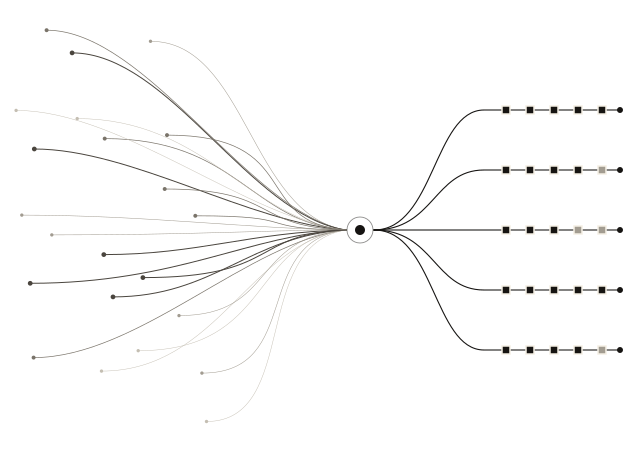
The data required for systemic coordination already exists: distributed, unstructured, and inconsistently organized across sources and institutions.

Our research builds the methods that make social ecosystems visible and measurable, across every level of governance.

Transparency, accessibility and circularity of information are foundational to us: our methods are documented, shared, and open to peer improvement.

Scattered sources converging on one method and leaving as ordered rows

National Ecosystem Mapping Methodology

partner
Ae4ria
period
2026–2027
setting
Distributed living labs
status
Active

A live research partnership between Resolve and Ae4ria validating Resolve’s national ecosystem mapping methodology across a distributed set of living labs.

The study tests methodological robustness across varied governance structures, data environments, and institutional contexts ahead of broader deployment.

Ae4ria

Research partners

  • Imperial College London

    Imperial College London

    Grantham Institute (Undaunted)

  • Ae4ria

    Ae4ria

    Distributed living labs

  • Czech University of Life Sciences Prague

    Czech University of Life Sciences

    Adaptation Hubs (NAH)

Research collaborations

We collaborate with researchers, institutions, and practitioners working on ecosystem mapping, systemic capacity building, and coordination infrastructure.

We invite you to apply, test and extend the Resolve methodology with us in new themes, regions and sectors.

If your work aligns, or you have a research proposal, we want to hear about it.